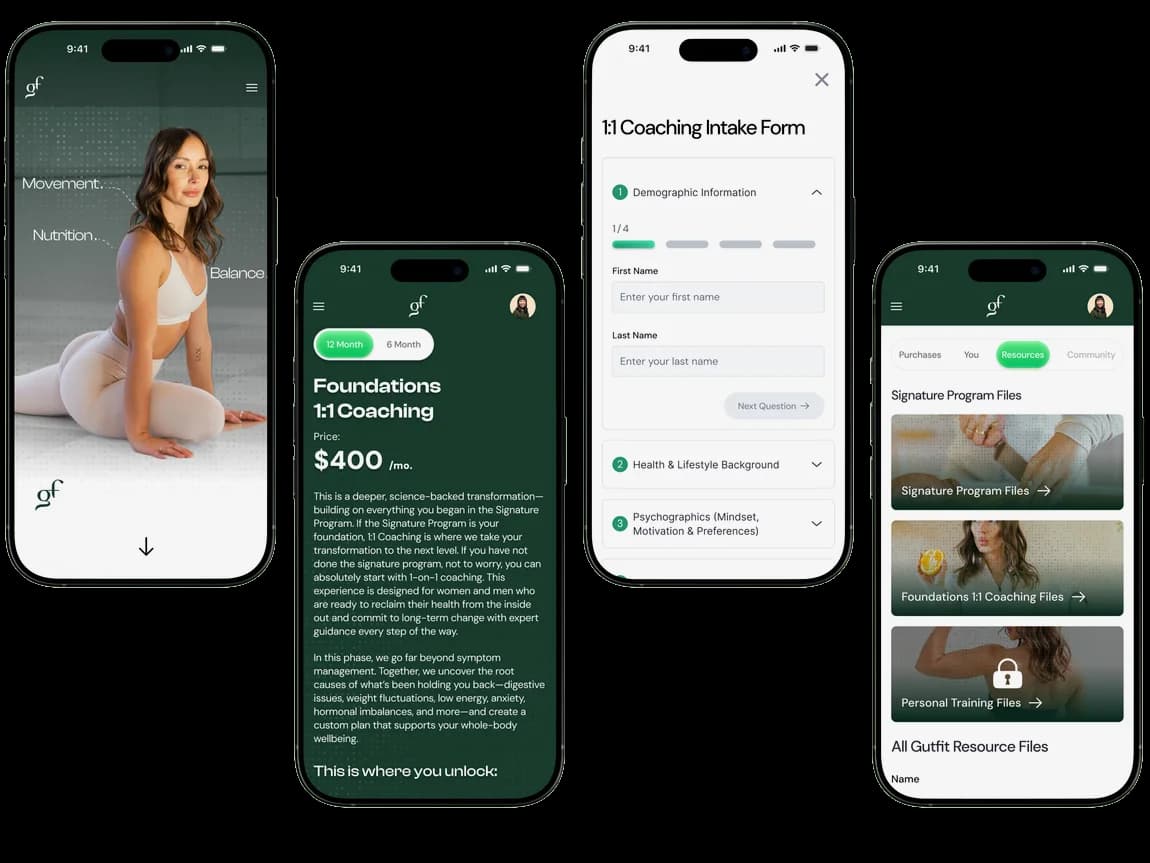
ux/ui design
Wireframes, interface design, interaction design, and usability testing for web and mobile — validated with real users before build.
Why UX/UI design
Interface quality is what users experience as product quality. UX/UI design is not decoration applied to a finished build — it is the structure that decides whether people can do what they came to do.
Structure before surface
Information architecture and user flows come first. A beautiful screen sitting on the wrong structure still leaves people lost.
Designed for the platform
Web and mobile bring different interaction patterns, input methods, and constraints, so each interface is designed for where it runs rather than stretched to fit both.
Accessible by default
Contrast, keyboard and screen-reader support, and semantic structure are designed in — which widens the audience who can use the product and holds up to accessibility standards.
A system, not a set of screens
Components, states, and rules hand over as a system engineering can implement consistently, so the product stays coherent as it grows.
What we deliver
Wireframes & User Flows
Low-fidelity flows and screen maps that lock down navigation and structure before visual design starts.
Interface Design
High-fidelity screens built on a consistent design system — typography, components, and states — ready for engineering.
Interaction Design
How the interface responds: transitions, feedback states, and the micro-interactions that make it feel considered, not static.
Usability Testing
Prototypes tested with real users to catch confusion and friction before a single line of code ships.
Process
- 01
Discover
We study users, goals, and market insights to understand the problem.
- 02
Define
User flows, wireframes, and information architecture shape the product experience.
- 03
Design
We craft intuitive interfaces and interactive prototypes ready for development.
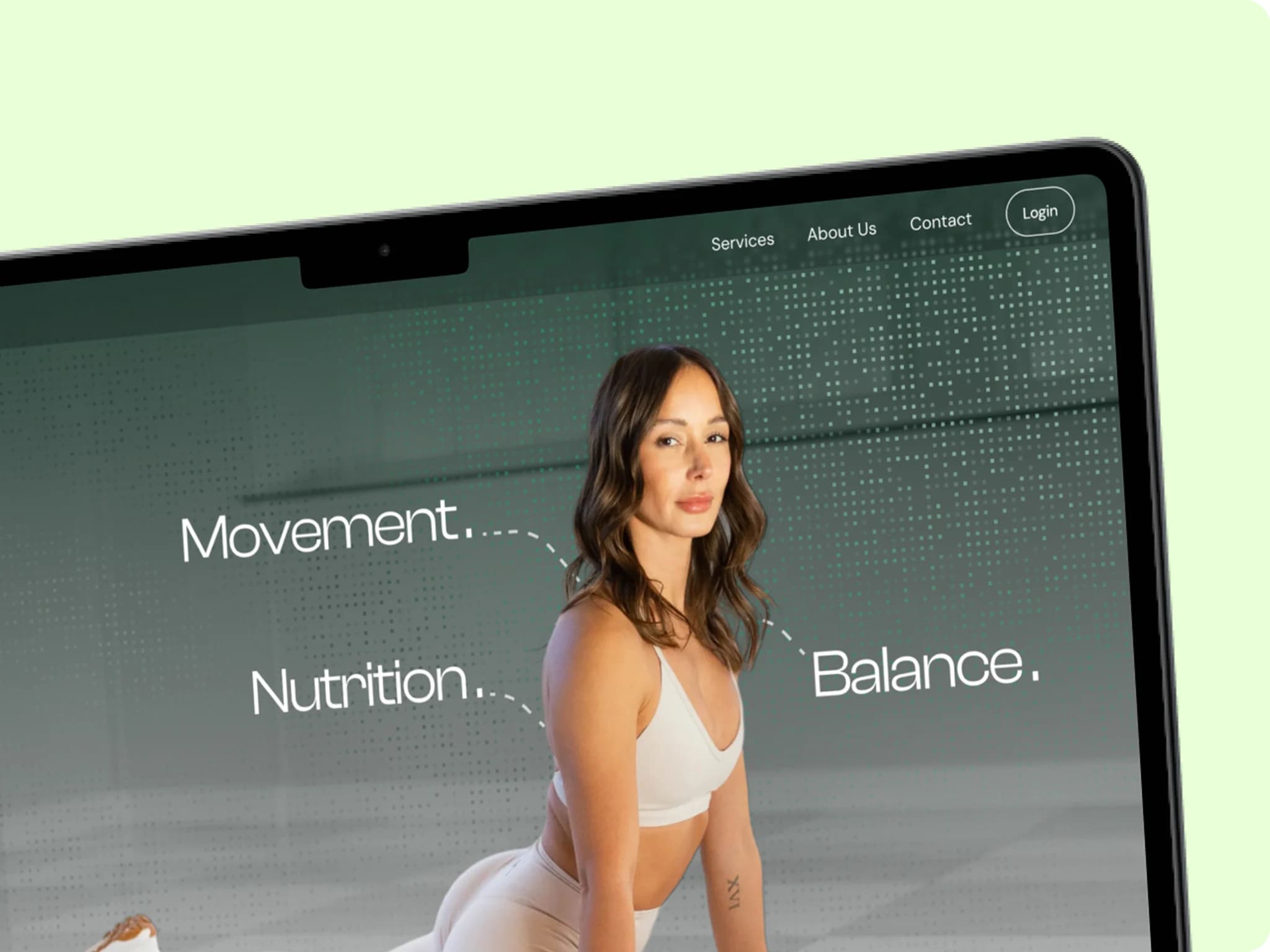
Common questions about our UX/UI design work
Product design decides what to build — research, strategy, and scope, before a screen exists. This page is the craft stage that follows: wireframes, the interface system, interaction design, and the usability testing that makes it work in practice. On smaller projects the two run together.
Yes. Interfaces are designed for the platform they run on, with the interaction patterns and constraints each one brings, rather than one layout stretched across both.
Yes. Accessible contrast, keyboard and screen-reader support, and semantic structure are designed in, not bolted on at the end.
User flows, wireframes, interface designs, and interactive prototypes, structured as a component system an engineering team can implement consistently.
Prototypes are put in front of real users before build, which is when changing direction is still cheap.
Explore other services
Have an idea worth building?
Let’s turn it into a powerful digital product. Partner with a team that cares about quality, innovation, and real results.